
Ensky Paper Theater Kits and Dioramas
A paper theater is a scene cut into layers. You push each sheet out of its frame, fold the tabs, glue them back to front and end up with a lit stage about the size of a coffee mug. We invented the format as a mass-market kit and we still print the best of them — the die-cutting is clean enough that a sharp fold needs no knife at all.
The line splits three ways. Classic paper theater sits flat against a wall in its own frame. Paper Theater Cube closes into a box you can look into from two sides. Paper Theater Craft is the heavier card version with more layers and a longer build. Every kit below lists its finished size, and the display cases at the end of the line are sized to the standard frames.
- Prices run $6.51 to $108.90
- Piece counts from 108 to 108
- 20 series represented
-
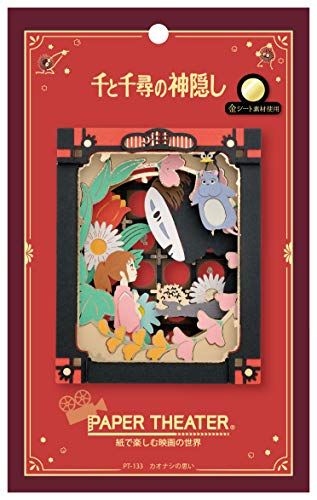 Paper Theater, Spirited Away, Thoughts of Kaonashi
5.0 · 180 ratings
-
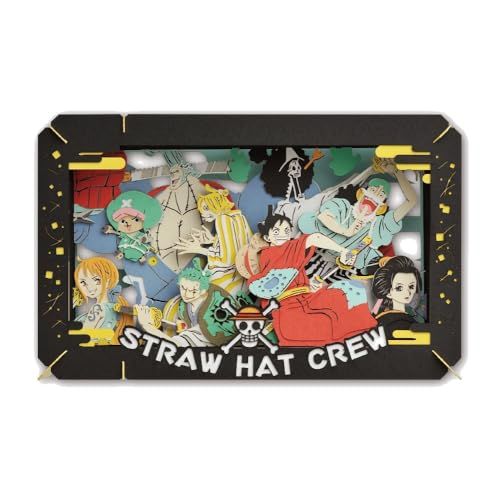 One Piece - WANOKOKOKUNI, Paper Theater Craft (Large)
5.0 · 1 ratings
-
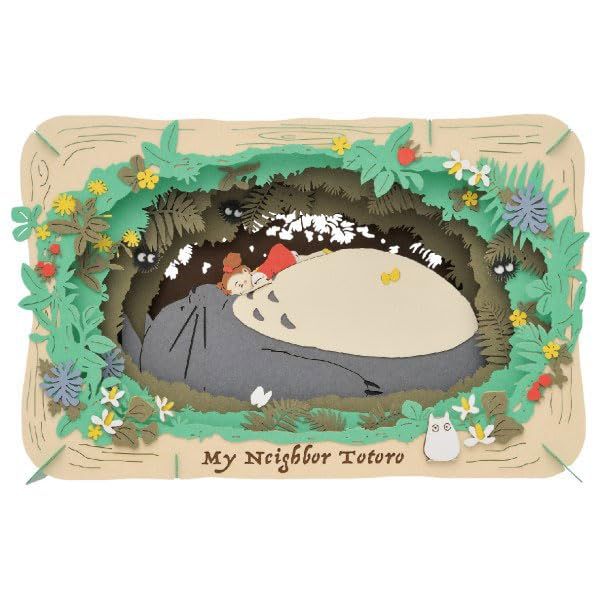 Paper Theater My Neighbor Totoro / Totoro no Dust
5.0 · 1 ratings
-
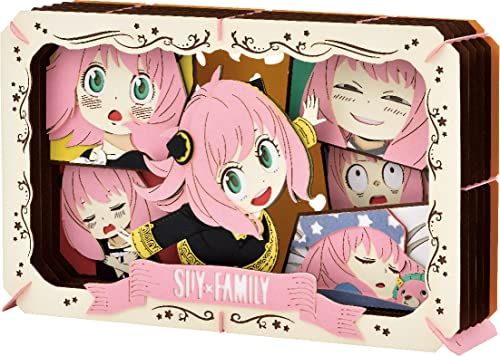 Spy x Family - Anya Forger, Paper Theater Craft (PTL-41)
5.0 · 4 ratings
-
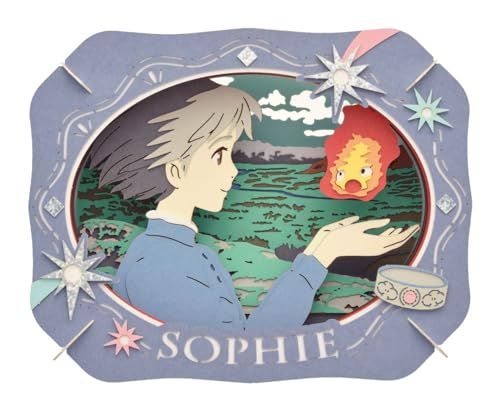 Howl's Moving Castle - Sophie
5.0 · 10 ratings
-
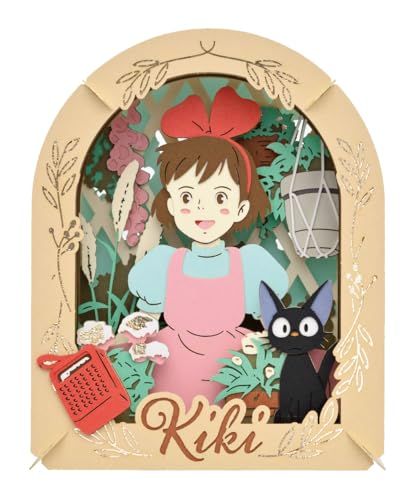 Kiki's Delivery Service - Kiki
5.0 · 4 ratings
-
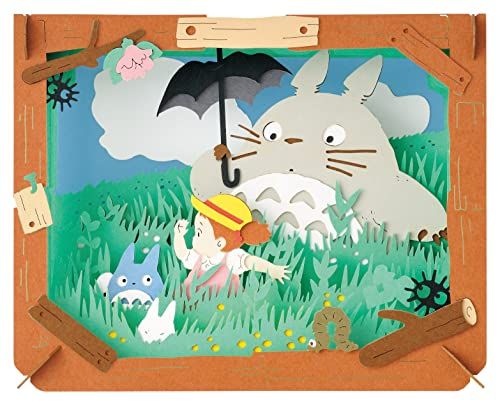 Paper Theater My Neighbor Totoro Field Osanpo
5.0 · 1 ratings
-
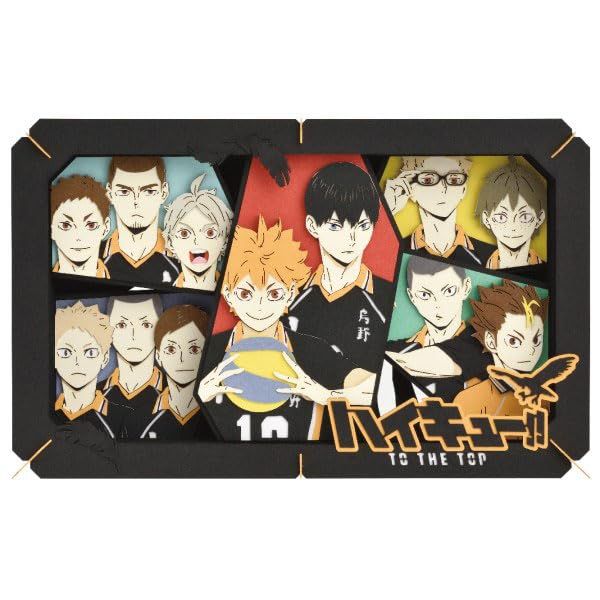 Paper Theater Anime Haikyu!! Karasuno High School
5.0 · 1 ratings
-
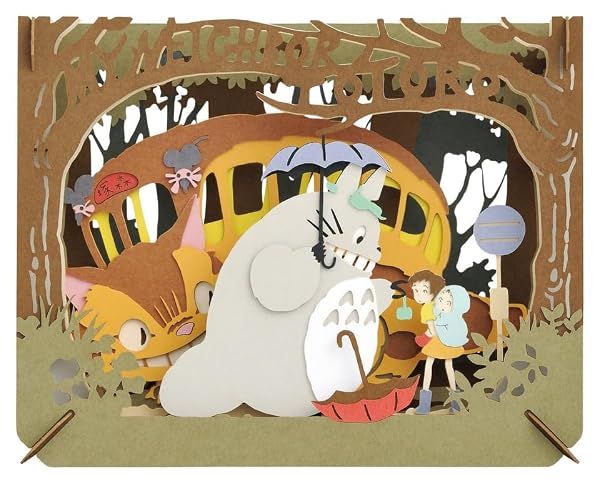 Studio Ghibli - My Neighbor Totoro - A Mysterious Encounter with Totoro, Paper Theater
5.0 · 2 ratings
-
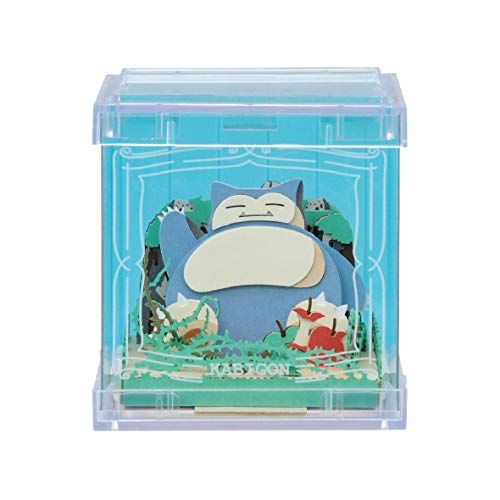 Pokémon - Snorlax, Paper Theater Cube
5.0 · 1 ratings
-
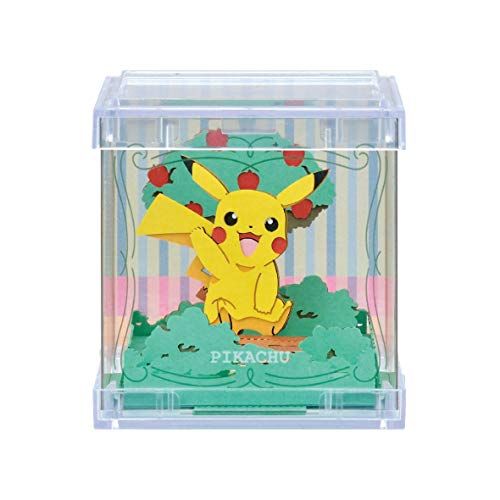 Pokémon - Pikachu, Paper Theater Cube
5.0 · 1 ratings
-
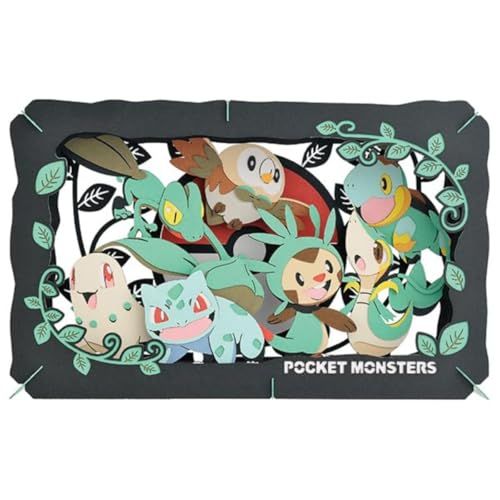 Pokémon - Grass, Paper Theater
5.0 · 1 ratings
-
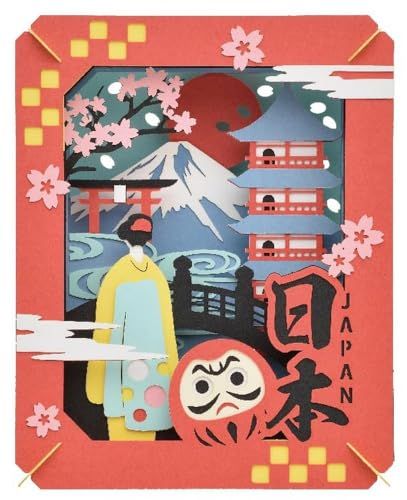 Japan, Paper Theater
5.0 · 2 ratings
-
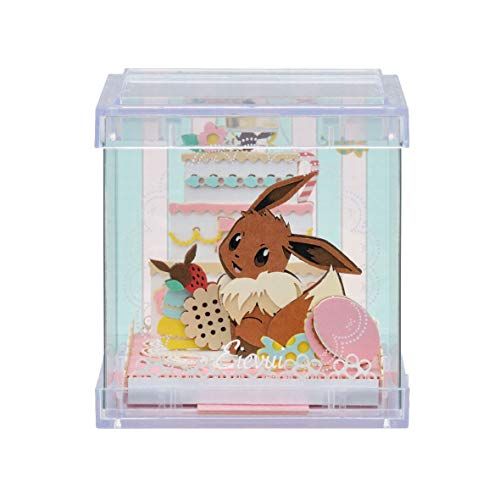 Pokémon - Eevee, Paper Theater Cube
5.0 · 1 ratings
-
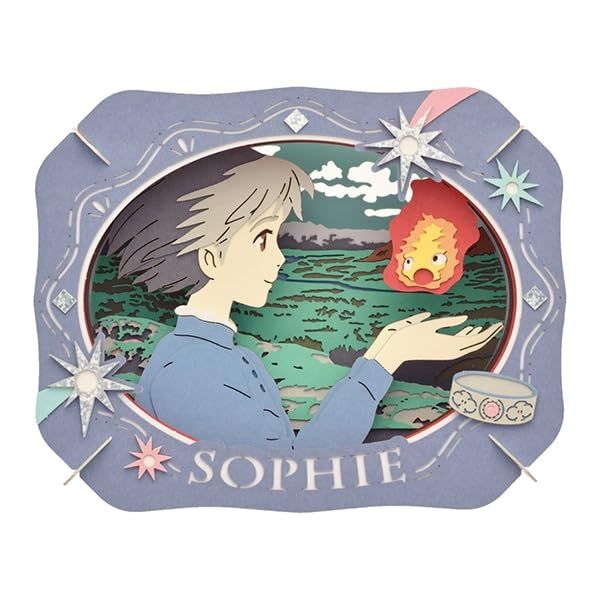 Howl's Moving Castle - Sophie, Paper Theater Craft
5.0 · 3 ratings
-
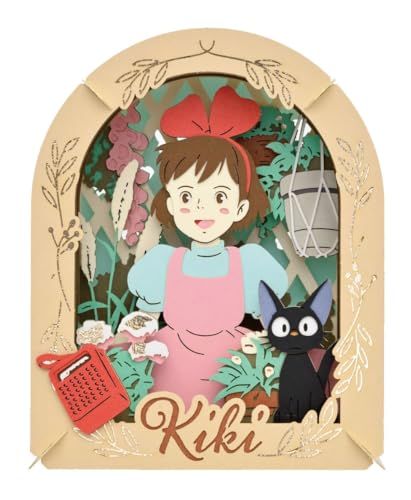 Kiki's Delivery Service - Kiki, Paper Theater Craft
5.0 · 4 ratings
-
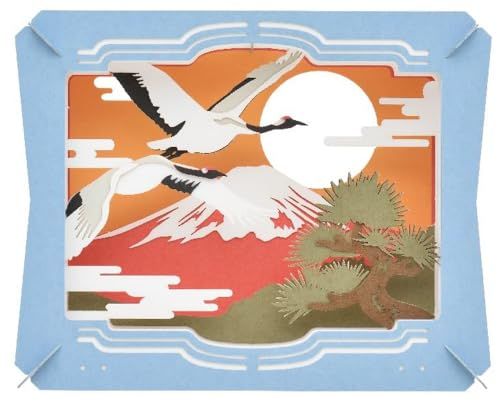 Mount Fuji and Crane, Paper Theater
5.0 · 1 ratings
-
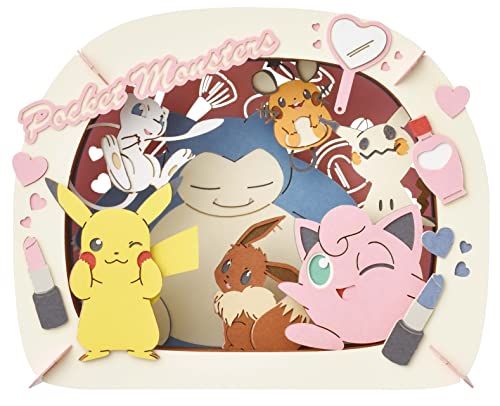 Pokémon Heart Cosme
5.0 · 5 ratings
-
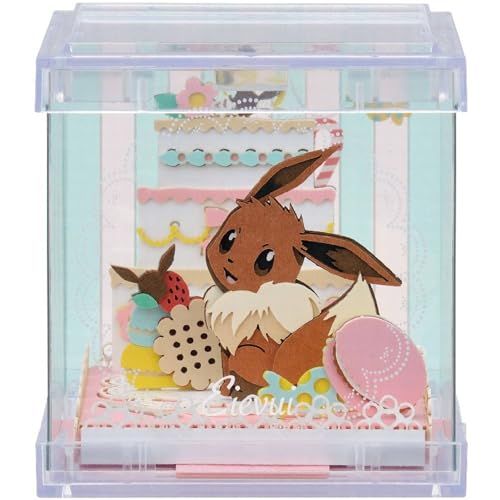 Pokémon - Eevee, Paper Theater Cube Craft
5.0
-
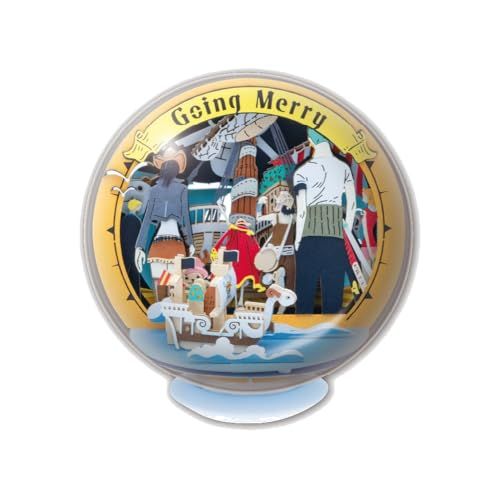 One Piece - Going Merry, Paper Theater Craft (Large)
5.0 · 1 ratings
-
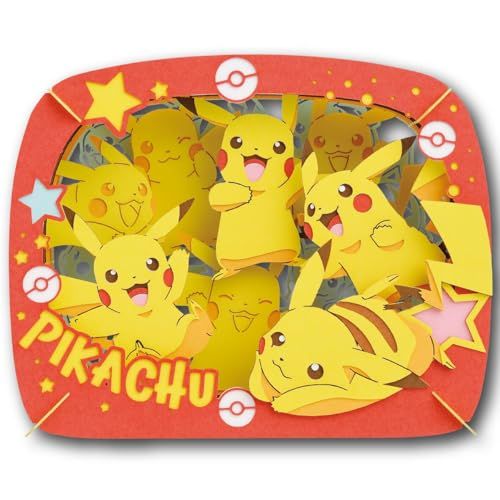 Pokémon - Lots of Pikachu, Paper Theater
5.0 · 4 ratings
-
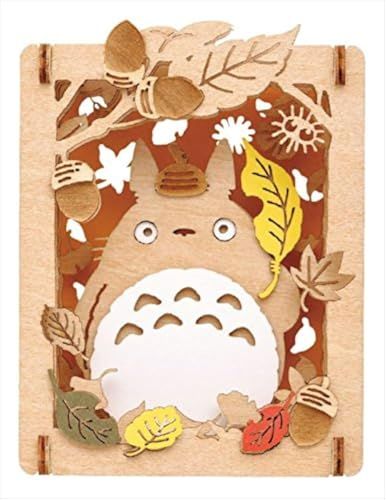 Paper Theater - Paper Craft Kit - Decoration - Kid - Small - Traditional, Rustic - Foldable
5.0 · 12 ratings
-
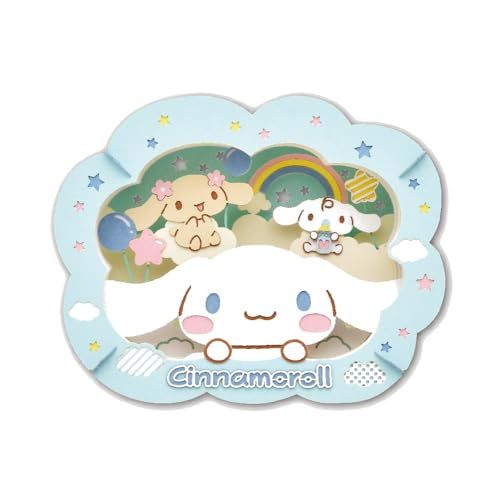 Sanrio - Together with Cinnamoroll, Paper Theater Craft
5.0 · 1 ratings
-
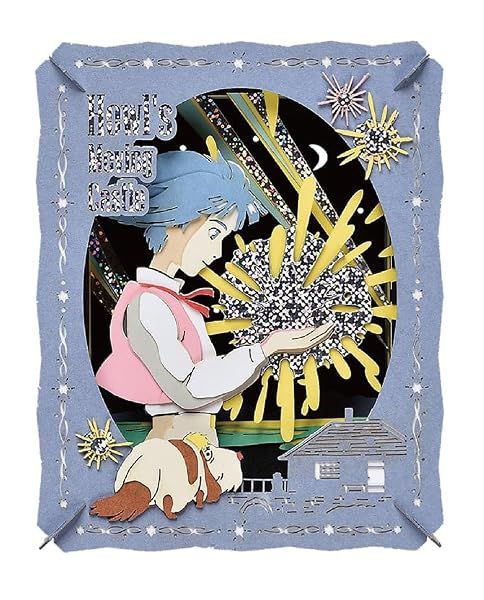 Studio Ghibli - Howl's Moving Castle - Howl and Son of Stars, Paper Theater
5.0 · 4 ratings
-
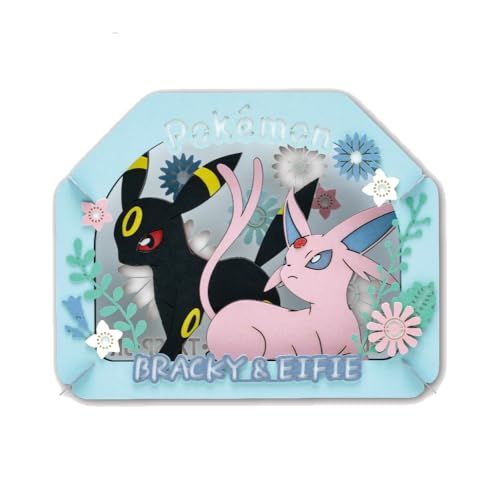 Pokémon , Blacky & Efi
5.0 · 2 ratings
-
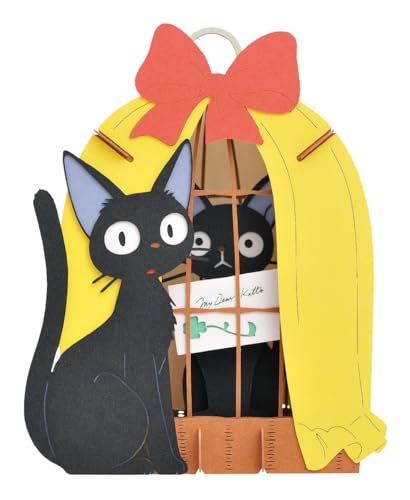 Kiki's Delivery Service - Jiji in Cage, Paper Theater Craft
5.0 · 1 ratings
-
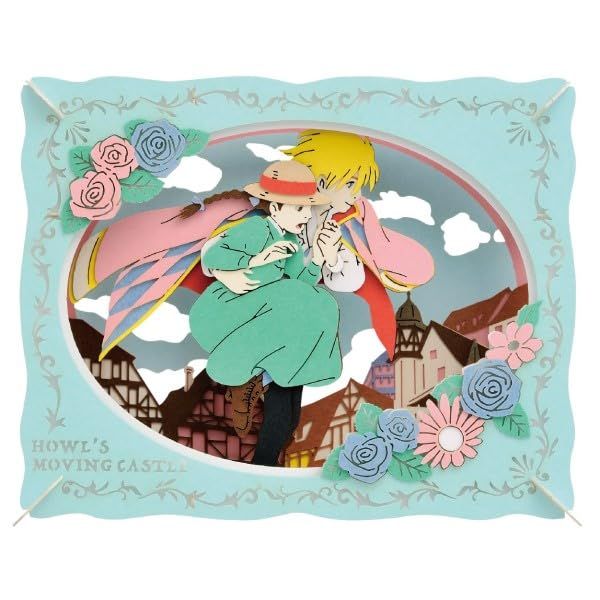 Howl's Moving Castle - Waking in The Sky, Paper Theater Craft
5.0 · 2 ratings
-
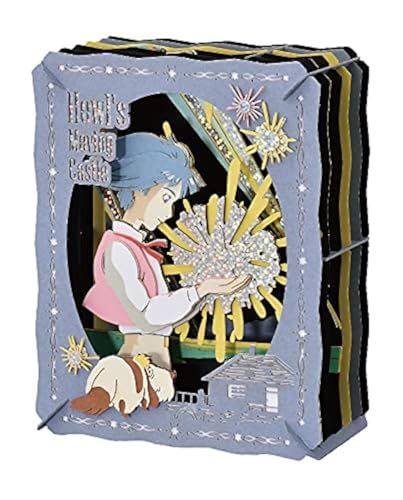 Howl's Moving Castle - Howl and Son of Stars, Paper Theater Craft
5.0 · 14 ratings
-
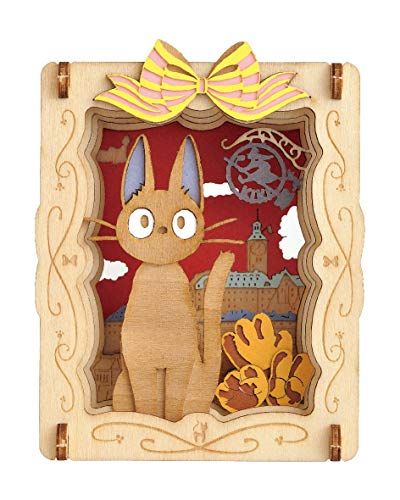 Paper Theater - Wood Style - Kiki's Delivery Service Black Cat Jiji
5.0 · 1 ratings
-
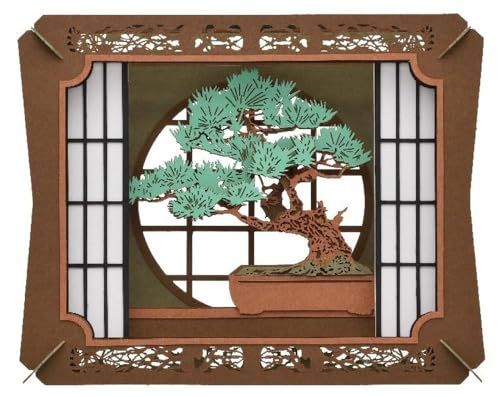 Bonsai Pine, Paper Theater
5.0 · 1 ratings
-
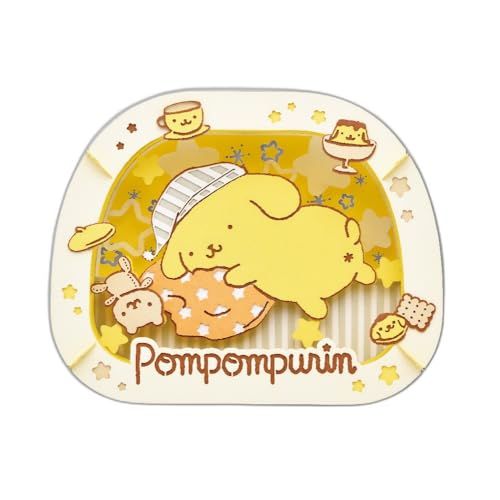 Sanrio - Nemunemu Purin, Paper Theater Craft
5.0
-
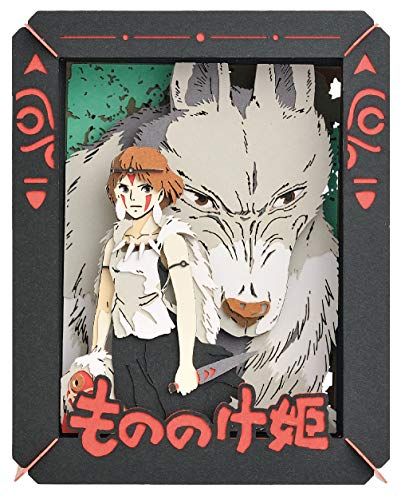 Princess Mononoke - Princess Mononoke, Paper Theater Craft
5.0 · 2 ratings
-
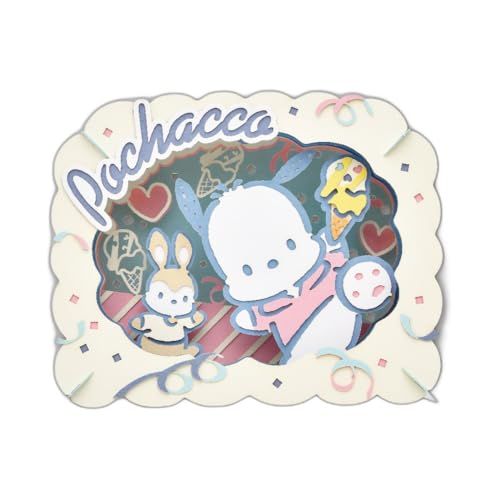 Sanrio - Pochacco So Much Fun, Paper Theater Craft
5.0
-
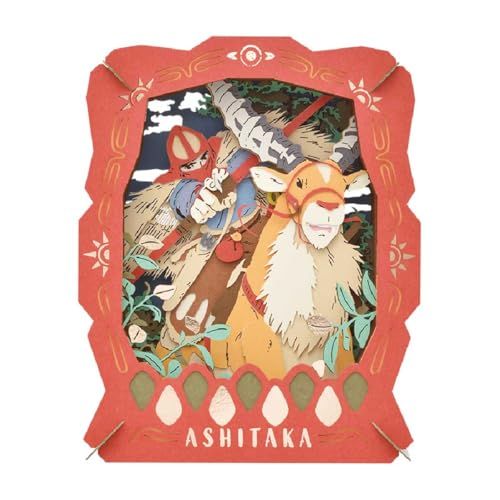 Princess Mononoke - Ashitaka, Paper Theater Craft
5.0 · 4 ratings
-
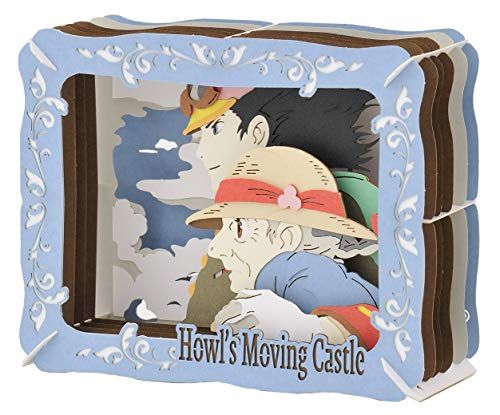 Howl's Moving Castle - Resolution, Paper Theater Craft
5.0 · 4 ratings
-
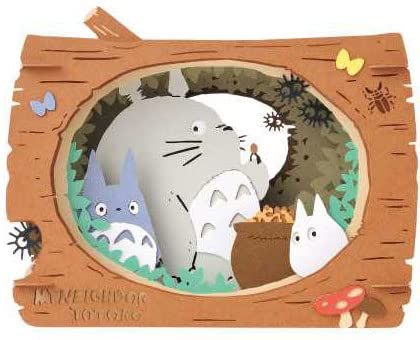 Paper Theater My Neighbor Totoro Secret Feast
5.0 · 1 ratings
-
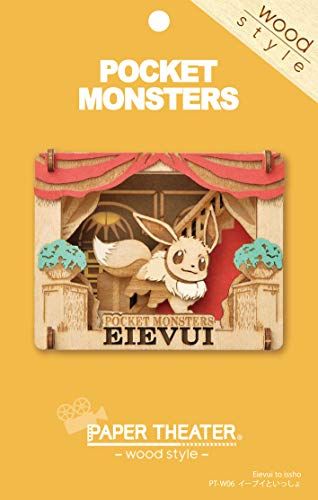 Paper Theater Pokemon Eevee to Issho
5.0 · 4 ratings
-
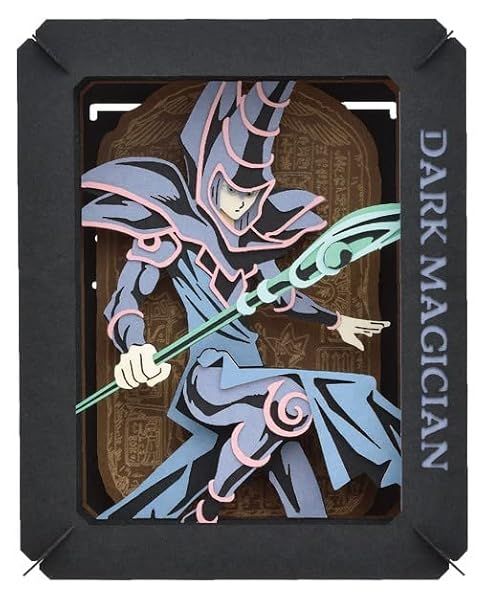 Yu-Gi-Oh! Duel Monsters - Dark Magician, Paper Theater Craft
5.0
-
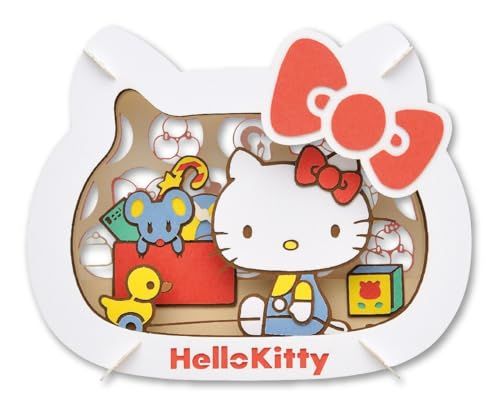 Sanrio Characters Hello Kitty
5.0 · 1 ratings
-
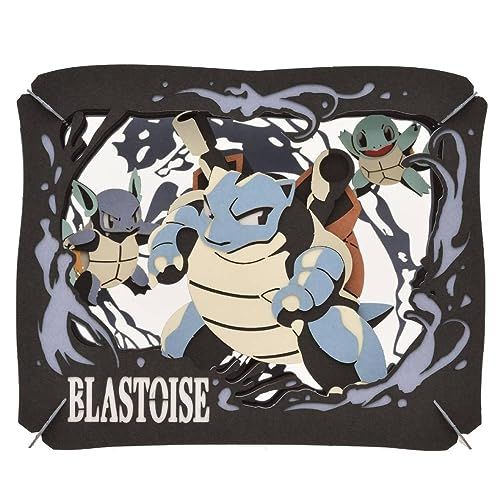 Pokémon - Blastoise, Paper Theater
5.0 · 2 ratings
-
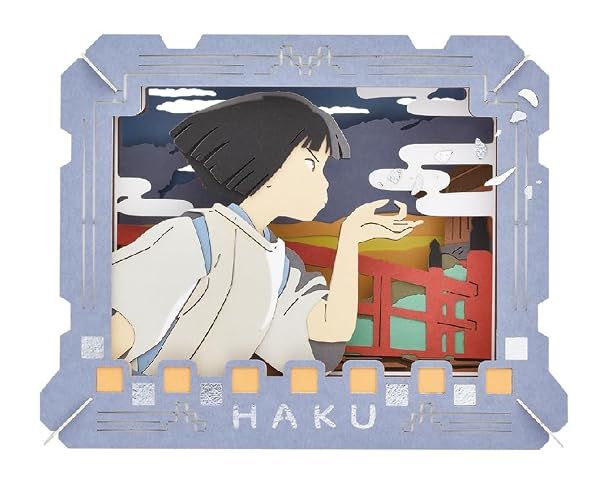 Spirited Away - Haku, Paper Theater Craft
5.0
-
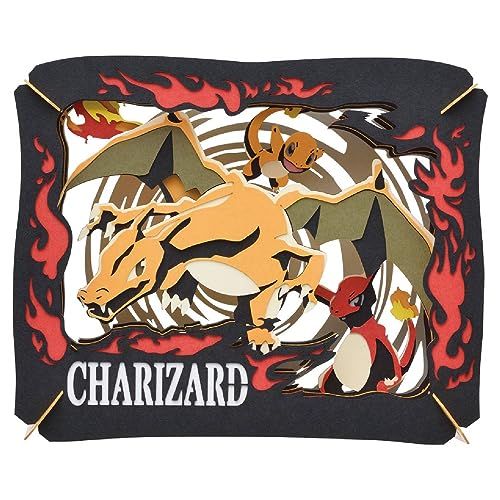 Pokémon - Charizard, Paper Theater
5.0 · 2 ratings
-
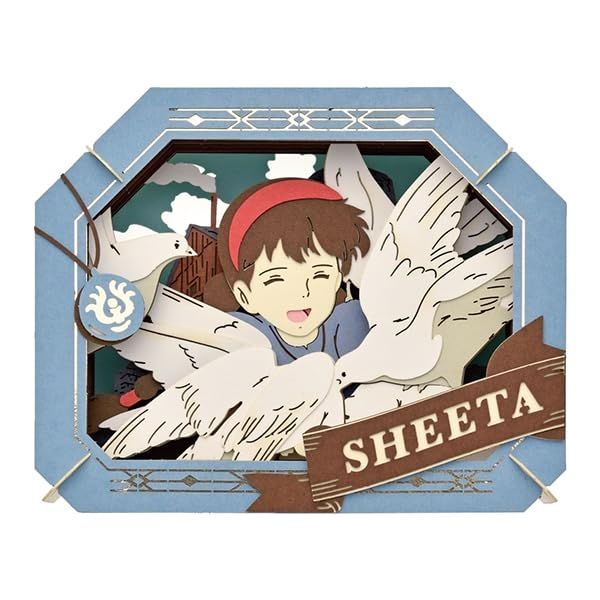 Castle in the Sky - Laputa Sheeta, Paper Theater Craft
5.0 · 4 ratings
-
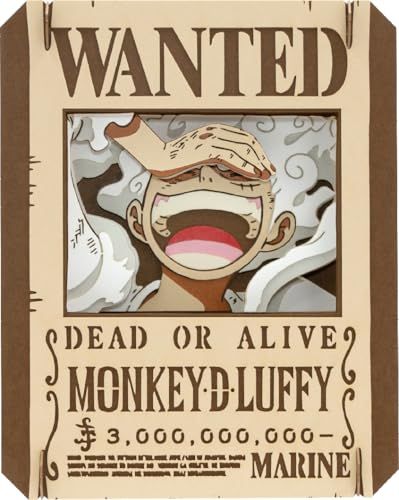 One Piece - Monkey D. Luffy, Paper Theater Craft
5.0 · 1 ratings
-
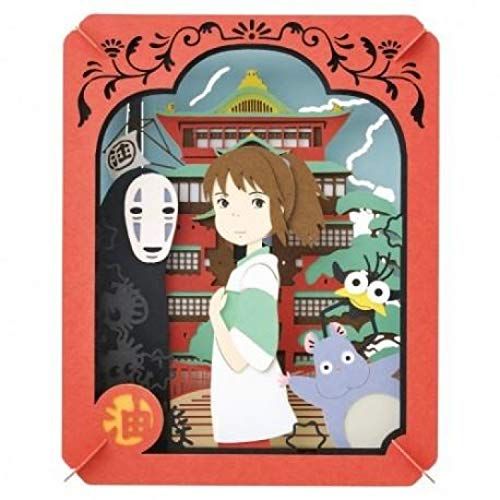 Spirited Away - Chihiro in a Mysterious Town, Paper Theater Craft
4.9 · 244 ratings
-
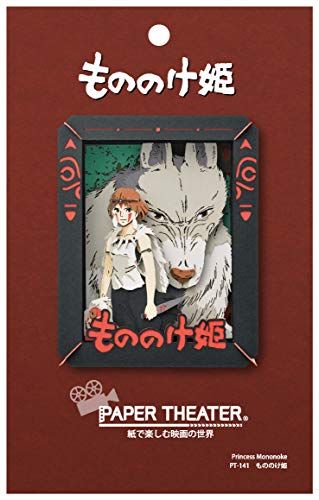 Princess Mononoke Paper Theater Craft
4.9 · 84 ratings
-
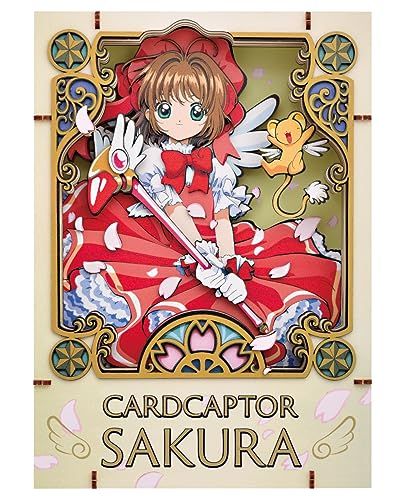 Paper Theater -Wood Style- Premium Cardcaptor Sakura Cardcaptor Birth
4.8
-
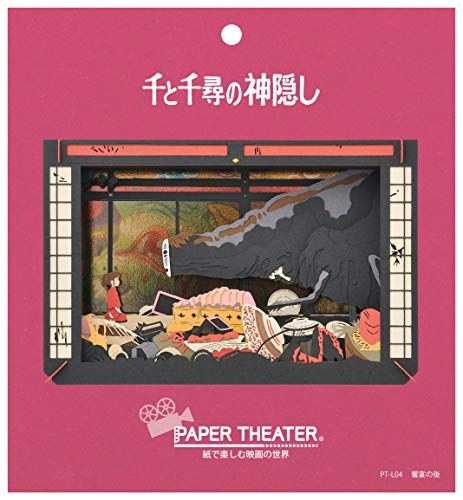 Paper Theater Spirited Away After Hibiki Feast
4.8 · 168 ratings
-
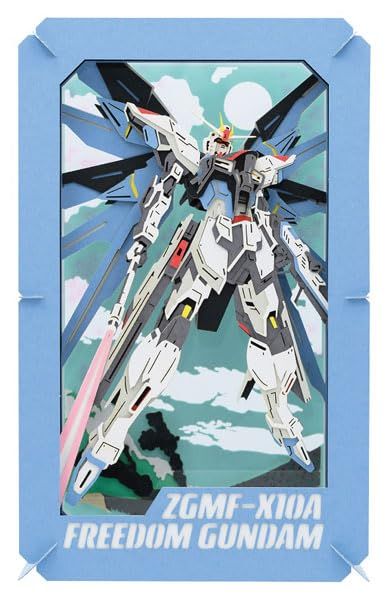 Mobile Suit Gundam Seed Paper Theater Freedom Gundam
4.8
-
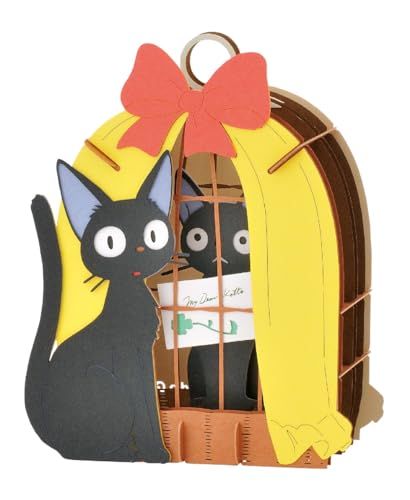 Kiki's Delivery Service Jiji in Cage Paper Theater
4.8 · 91 ratings
-
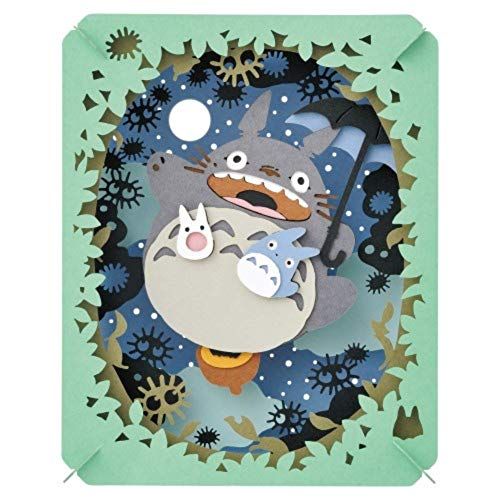 My Neighbor Totoro - Illuminated by The Moon, Paper Theater Craft
4.8 · 234 ratings
-
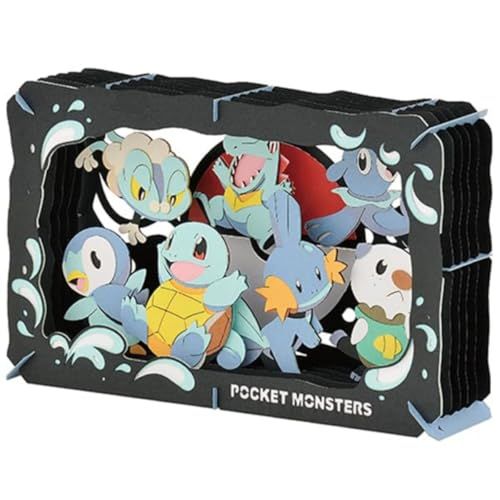 Pokémon - Type: Water, Paper Theater
4.8 · 15 ratings
-
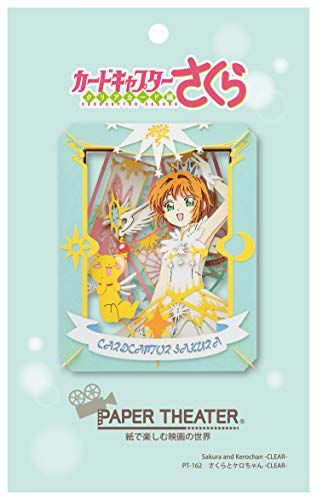 Cardcaptor Sakura Clear Card Sakura and Kero-chan - Paper Theater
4.8 · 6 ratings
-
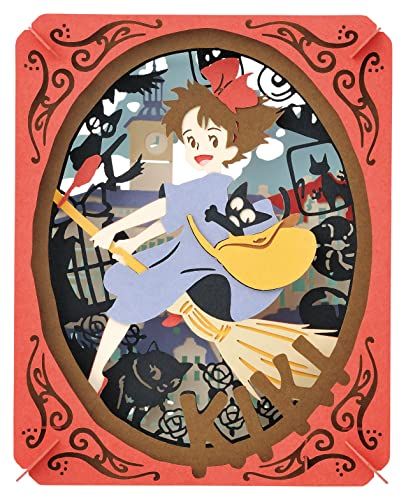 Studio Ghibli - Kiki's Delivery Service - Kiki's Memories of Koriko, Paper Theater
4.8 · 6 ratings
-
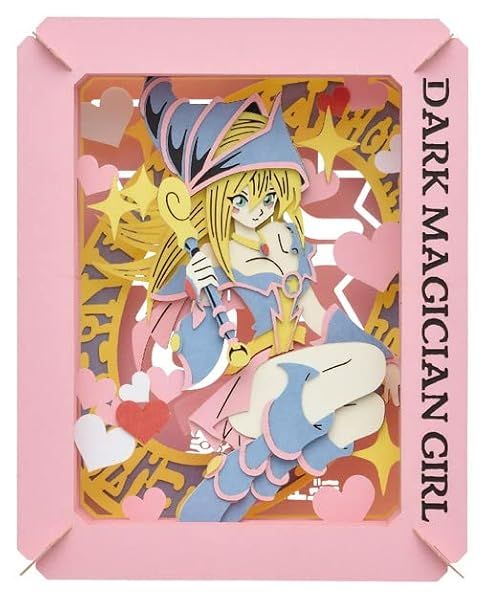 Yu-Gi-Oh! Duel Monsters - Dark Magician Girl, Paper Theater Craft
4.8
-
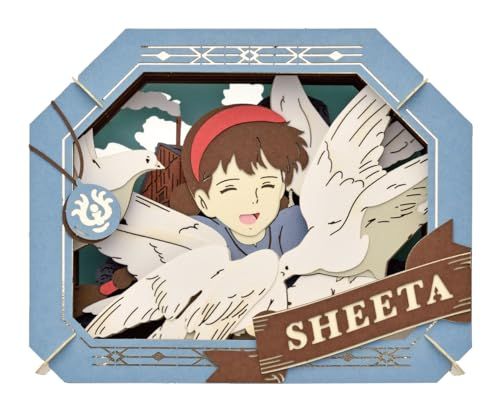 Castle in the Sky - Laputa Sheeta
4.8
-
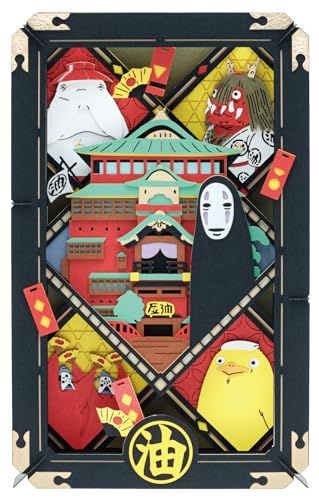 Paper Theater Spirited Away Aburaya Customer
4.7 · 5 ratings
-
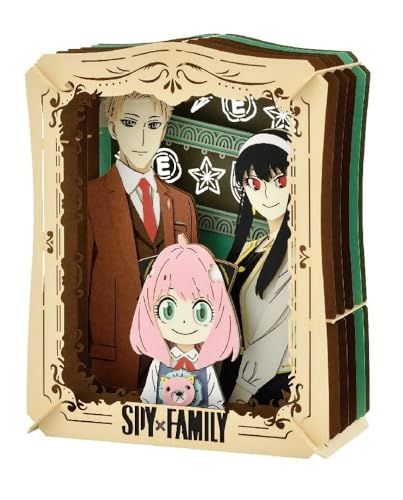 Spy x Family - Family, Paper Theater Craft
4.7 · 125 ratings
-
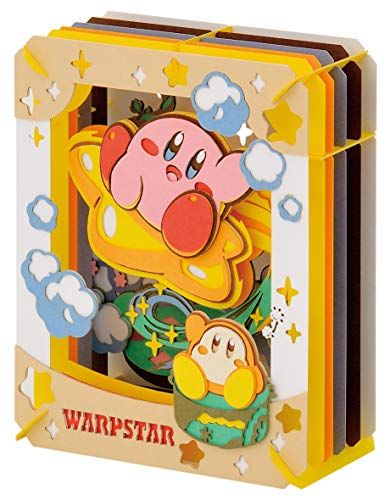 Kirby - Kirby WARPSTAR Paper Theater
4.7 · 125 ratings
-
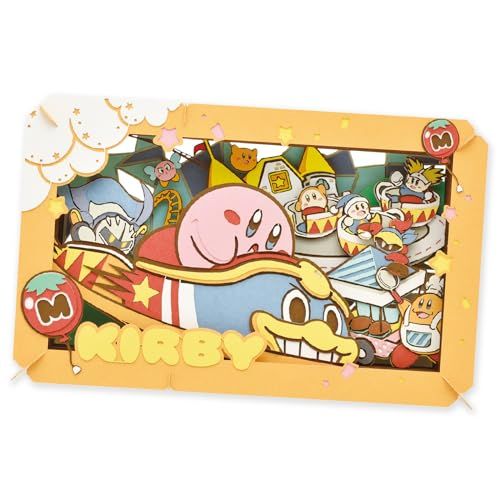 Kirby - Kirby PuPuPu Park!, Large Paper Theater Craft
4.7 · 125 ratings
-
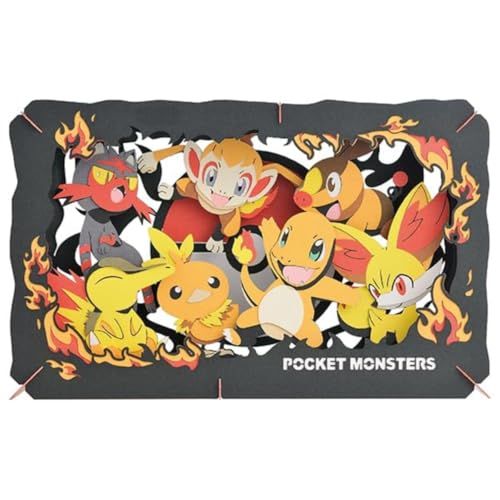 Pokémon - Fire, Paper Theater
4.7 · 13 ratings
-
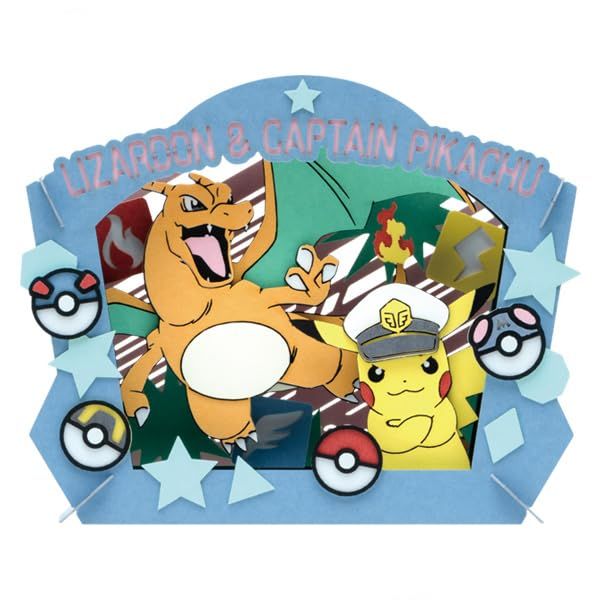 Pokémon - Captain Pikachu & Charizard, Paper Theater
4.7
-
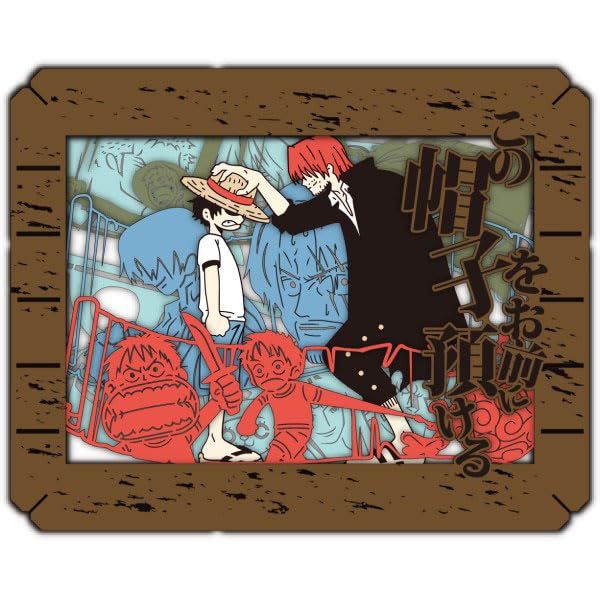 Paper Theater One Piece This Hat Will Be Deposited To You
4.7
-
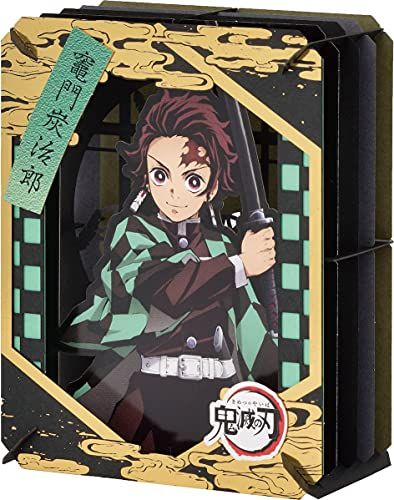 Demon Slayer: Kimetsu no Yaiba - Tanjiro Kamado, Paper Theater Craft
4.7 · 125 ratings
-
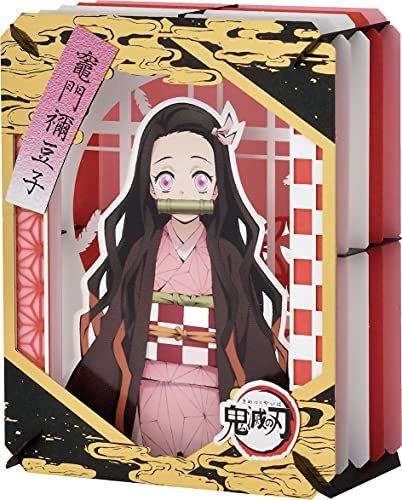 Demon Slayer: Kimetsu no Yaiba - Nezuko Kamado, Paper Theater Craft
4.7 · 125 ratings
-
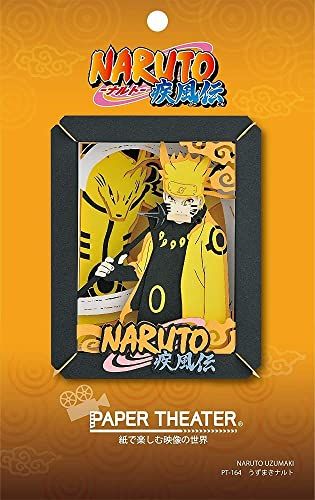 Naruto Shippuden - Naruto Uzumaki, Paper Theater Craft
4.7 · 5 ratings
-
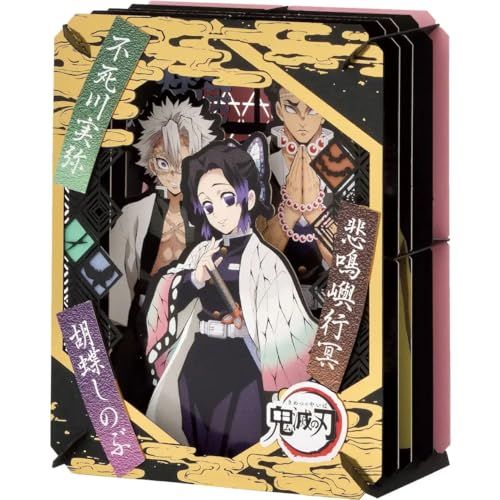 Demon Slayer: Kimetsu no Yaiba - Insect Pillar & Wind Pillar & Stone Pillar, Paper Theater Craft
4.7 · 125 ratings
-
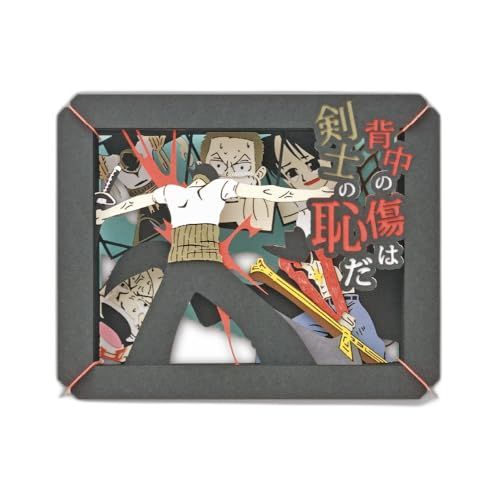 One Piece - Roronoa Zoro The Scar on My Back is a Disgrace to a Swordsman, Paper Theater Craft
4.7
-
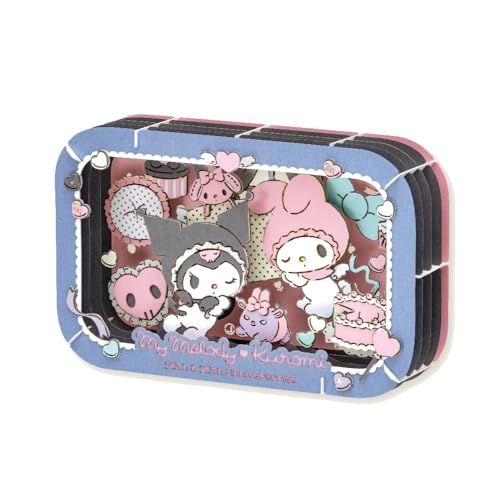 Sanrio - My Melody and Kuromi, Paper Theater Craft
4.6
-
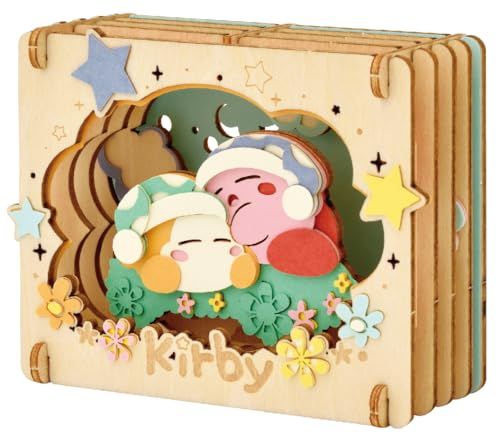 Ohirune Kirby
4.6 · 14 ratings
-
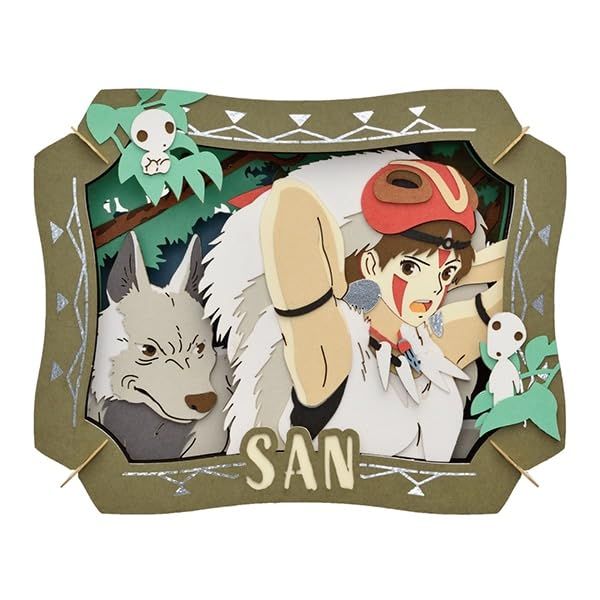 Princess Mononoke - San, Paper Theater Craft
4.6
-
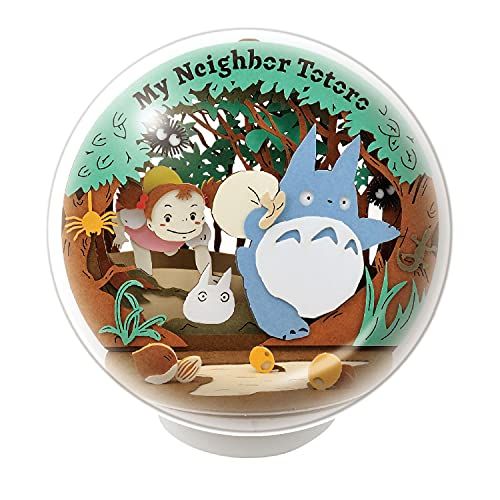 My Neighbor Totoro - Secret Tunnel, Paper Theater Ball Craft
4.6 · 19 ratings
-
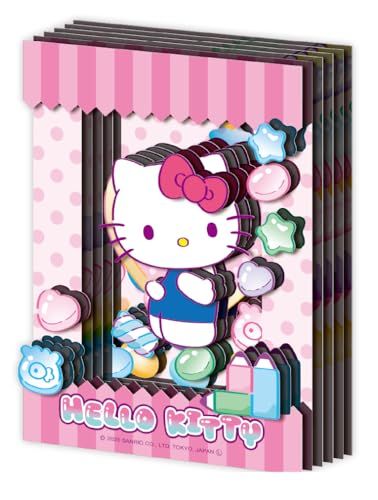 Sanrio - Hello Kitty, Paper Shadow Art Mini
4.6
-
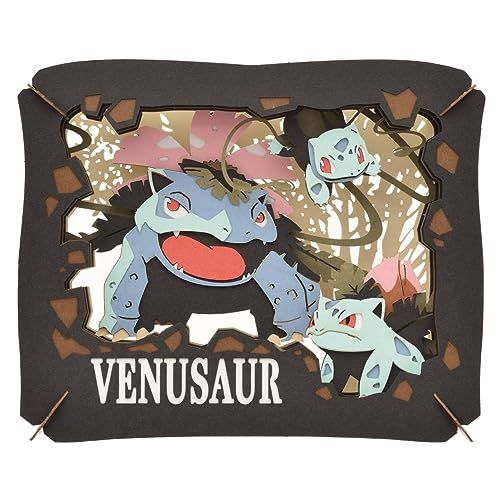 Pokémon - Venusaur, Paper Theater
4.6 · 3 ratings
-
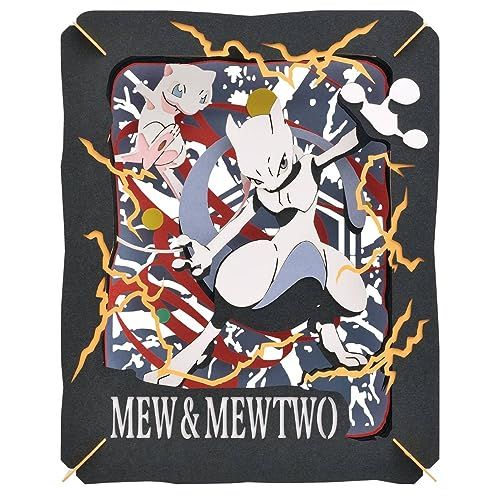 Pokémon - Mew & Mewtwo, Paper Theater
4.6 · 3 ratings
-
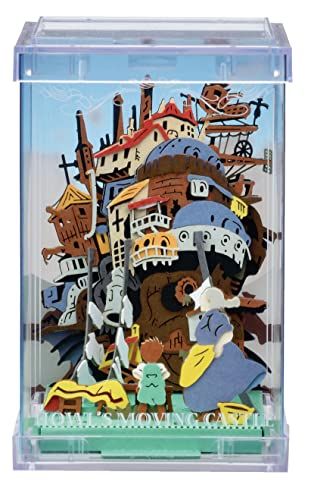 Howl's Moving Castle - Good Weather for Laundry Day, Paper Theater Craft Cube (PTC-T07)
4.5 · 33 ratings
-
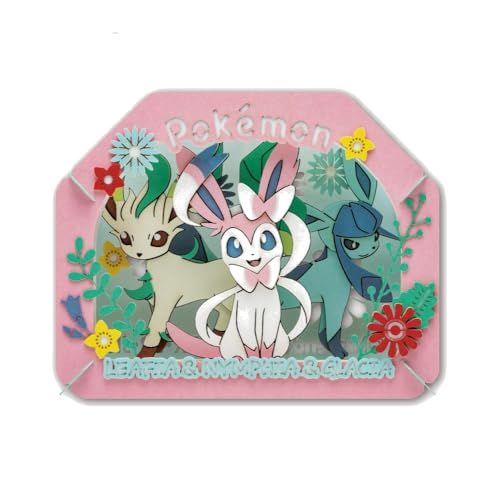 Pokémon Leafy Nymphia Glacier
4.5
-
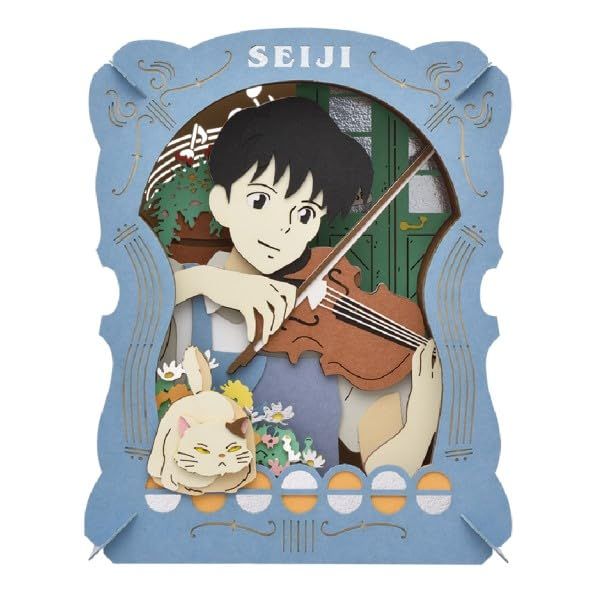 Whisper of the Heart - Seiji Amasawa, Paper Theater Craft
4.5 · 2 ratings
-
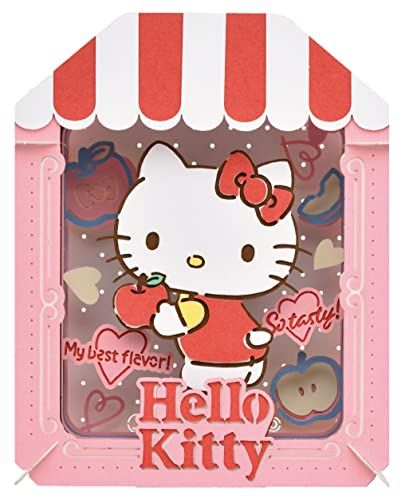 Paper Theater Sanrio Characters My Best Flavor
4.5
-
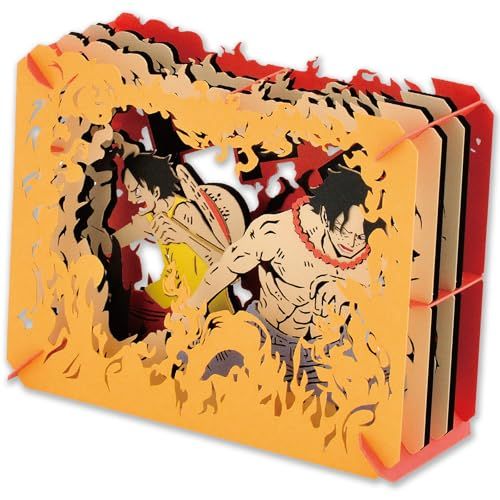 One Piece Paper Theater (032N) - Fight, Luffy!
4.5 · 6 ratings
-
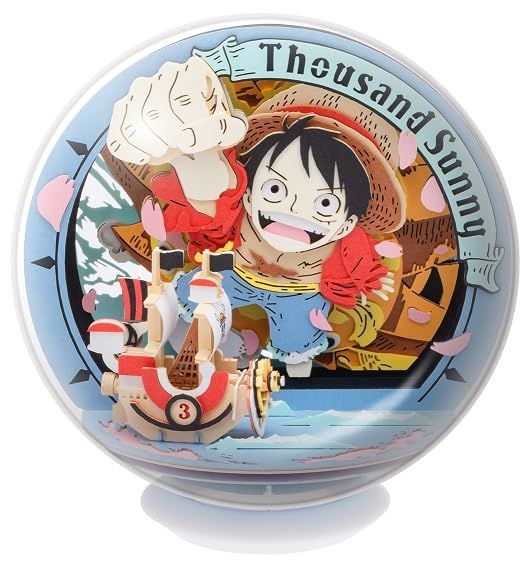 Paper Theater - Ball- One Piece PTB-31 Thousand Sunny
4.4 · 3 ratings
-
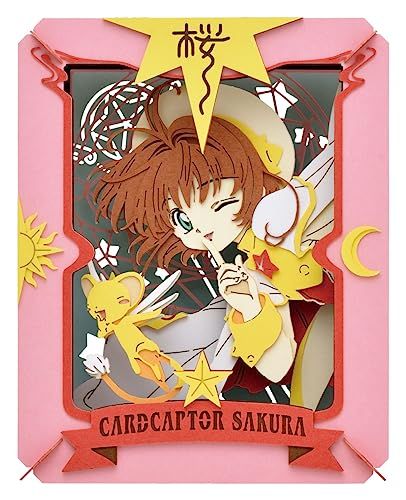 Paper Theater Cardcaptor Sakura
4.4 · 3 ratings
-
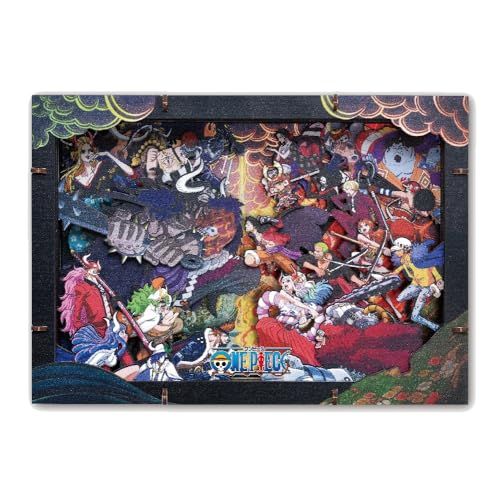 Paper Theater - Wood Style - Premium One Piece Paper Theater - Wood Style - Premium/Wanokuni
4.1 · 2 ratings
-
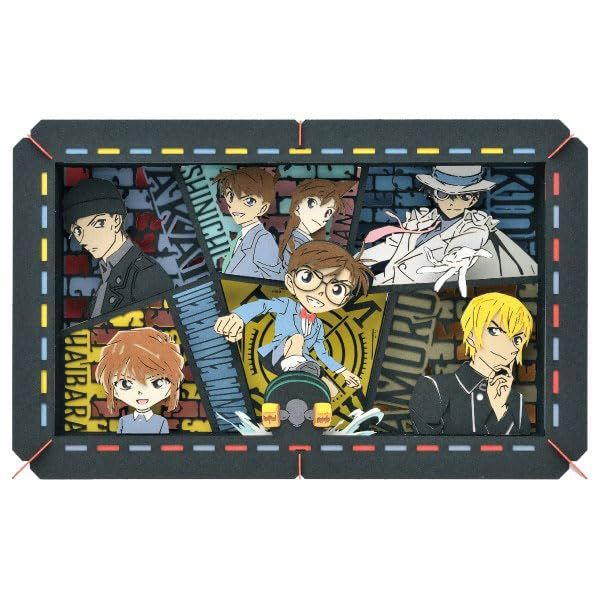 Detective Conan Paper Theater
4.1
-
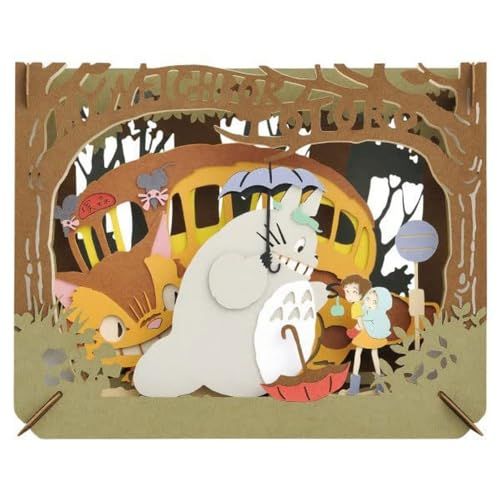 My Neighbor Totoro - A Mysterious Encounter with Totoro, Paper Theater
4.1 · 8 ratings
-
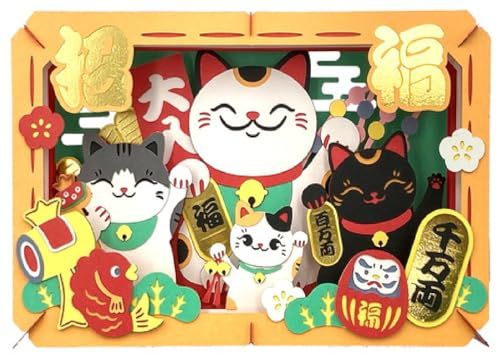 Paper Theater Maneki Neko
4.1
-
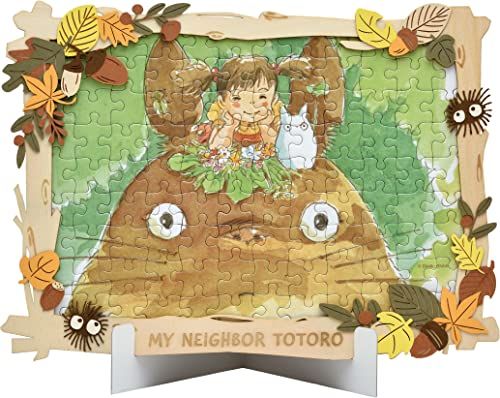 My Neighbor Totoro - Totoro (Wood Style), Jigsaw Puzzle and Art Decoration Paper Theater
4.0 · 1 ratings
-
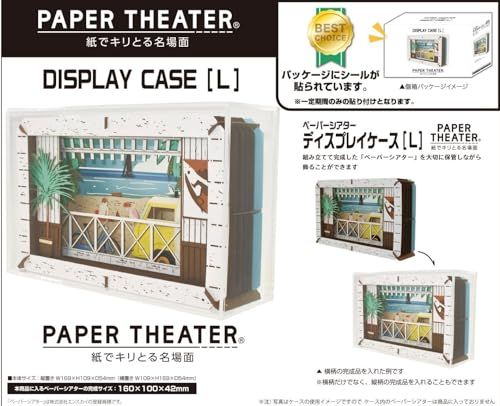 Paper Theater Display Case [L]
4.0 · 1 ratings
-
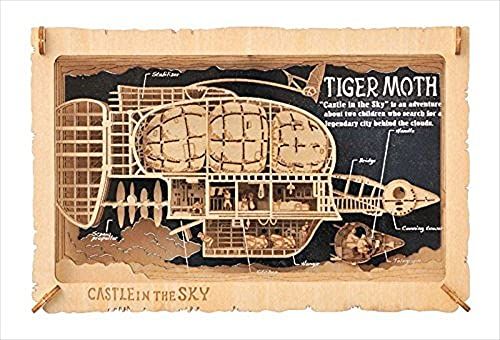 Castle in The Sky Laputa Tiger Moss Paper Theater H 3.9 x W 6.0 x D 1.7 inches
4.0 · 10 ratings
-
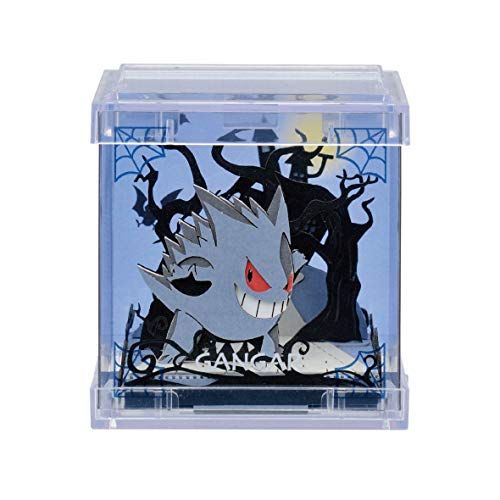 Pokémon - Gengar, Paper Theater Cube
4.0 · 7 ratings
-
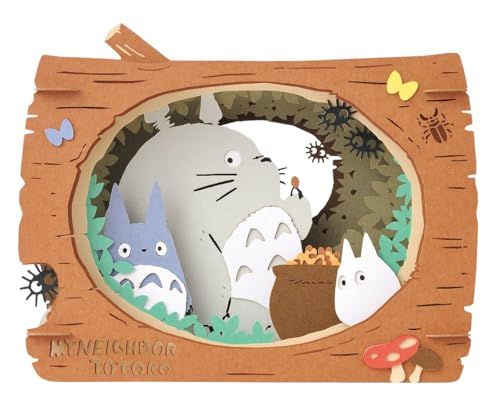 My Neighbor Totoro - Totoro in Log, Paper Theater Craft
4.0 · 1 ratings
-
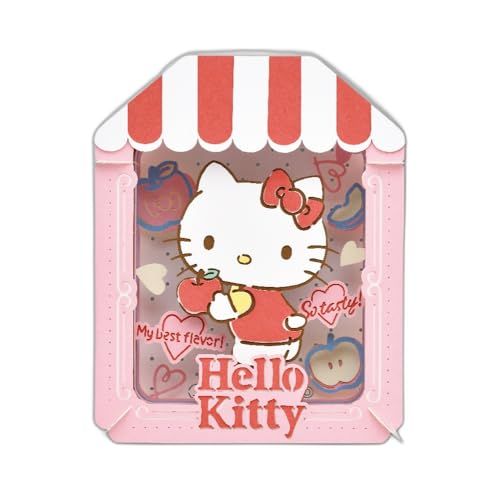 Sanrio - Hello Kitty My Best Flavor, Paper Theater Craft
4.0
-
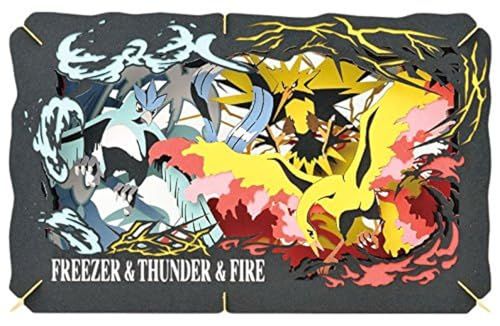 Pokémon - Articuno, Zapdos, Moltres, Paper Theater
4.0 · 1 ratings
-
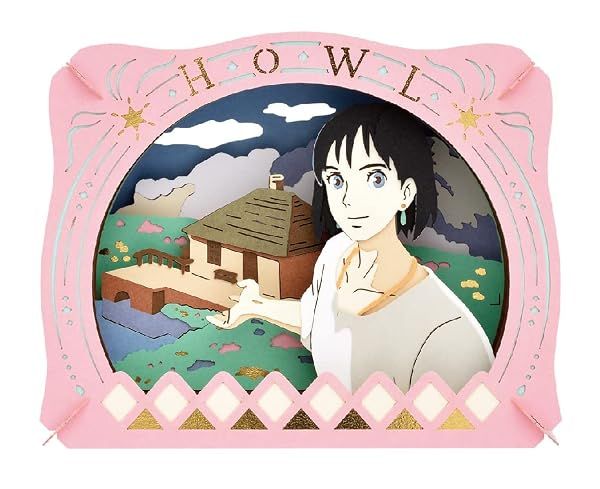 Howl's Moving Castle - Howl, Paper Theater Craft
3.6 · 4 ratings
-
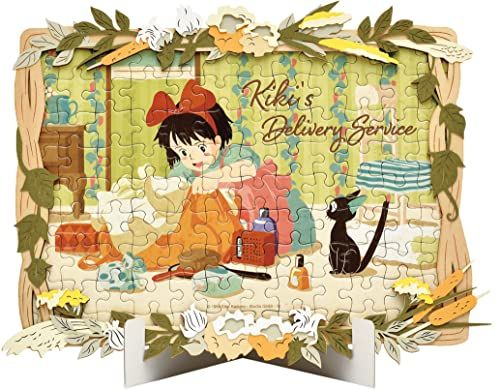 Kiki's Delivery Service 108 Piece Wood Style Jigsaw Puzzle and Paper Theater Frame
3.4 · 4 ratings
-
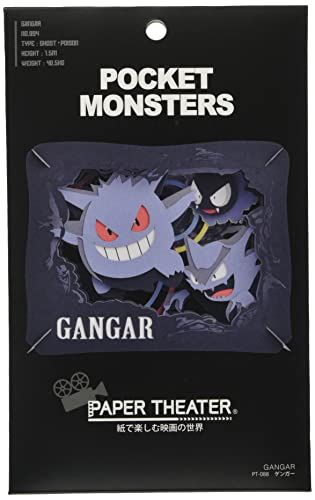 Pokémon - Gengar, Paper Theater
3.0 · 2 ratings
What an Ensky paper theater kit actually is
An Ensky paper theater kit is a flat package of die-cut printed sheets that you punch out, curve and glue into a small lit stage. Nothing else is in the box: no paint, no batteries, no figure to clip onto a stand. What you supply is white glue, a craft knife, tweezers and about three evenings. The design does the rest — four to six layers of Japanese card set at different depths, so one scene gains real shadow the moment a lamp sits behind it.
Every Ensky kit is printed in Japan on the same high-quality stock as our jigsaw puzzles, and every title is official: the licence comes straight from the studio that owns the characters. That matters more here than on a puzzle, because a paper theater has to hold the colour of a painted background across six separate layers. Spirited Away, My Neighbor Totoro, Kiki's Delivery Service and Howl's Moving Castle are the scenes we are asked for most; Pokémon, Demon Slayer, One Piece, Kirby and Sanrio keep the collection from being a Ghibli shelf alone.
Three formats sit side by side. The standard kits contain one scene in a frame roughly the size of a paperback. Ensky Paper Theater Cube is open on four sides and meant to be walked around. Ensky Paper Theater Wood Style swaps the card frame for a timber surround and a heavier back panel. Where a kit is a Cube or a Wood Style we say so in the entry, with the finished size, because that is the information that decides whether it fits the shelf you had in mind.
These are not toys in the sense of something handed to a small child — the parts are thin, the knife work is real, and the excitement of the build is in taking your time. People who finish one usually come back for the next scene in the same film. Buying for someone else, the safe choice is the film they can quote: the latest release is rarely the one they want, and the scene they already love almost always is. Questions we get before a first build are answered below, and anything more personal can go to our inbox.
Finished kits end up where they will be looked at — a desk, a hall shelf, a window ledge — and that is where the backlight earns its keep. Fans of a show tend to build the scene that opens it; a parent building alongside a child tends to pick the one with the most characters playing in frame. Either way, an Ensky theater featuring a scene you chose yourself celebrates the film better than a poster does, and it takes up less wall.
Two practical notes before you look through the sets below. The Japanese card is high-quality but thin by design, so the one thing that ruins a build is too much glue; a cocktail stick moves less than a brush. And every entry carries the official series, the finished size and the layer count, which is the information that decides the purchase. Fans of a show often buy two kits from the same film and stand them together — characters are scaled to match across the collection, so the toys and figures from our other lines sit alongside at the right height. Where a set is the latest in a series we say so, and where a jigsaw puzzle exists of the same artwork we link it from the card. Questions that come up more than twice a week are answered below; the personal ones reach us by mail, and the excitement in this line is in playing with light rather than in taking a shortcut.
About paper theater
How long does an Ensky paper theater kit take to build?
A standard kit runs two to four hours for a first build and about ninety minutes once you know the format. The Craft and Wood Style sets carry more layers and can stretch across an evening.
Do I need glue and tools?
You need white craft glue and tweezers. The parts are already die-cut, so no knife and no cutting mat — that is the whole point of the format.
Will a finished diorama fit a standard display case?
The classic frames are built to one of two footprints, and our own display cases match them. Cube and Craft builds are deeper and want the larger case.